Noise Complaints: Generator Limits for Luxury Restroom Trailers in Parks
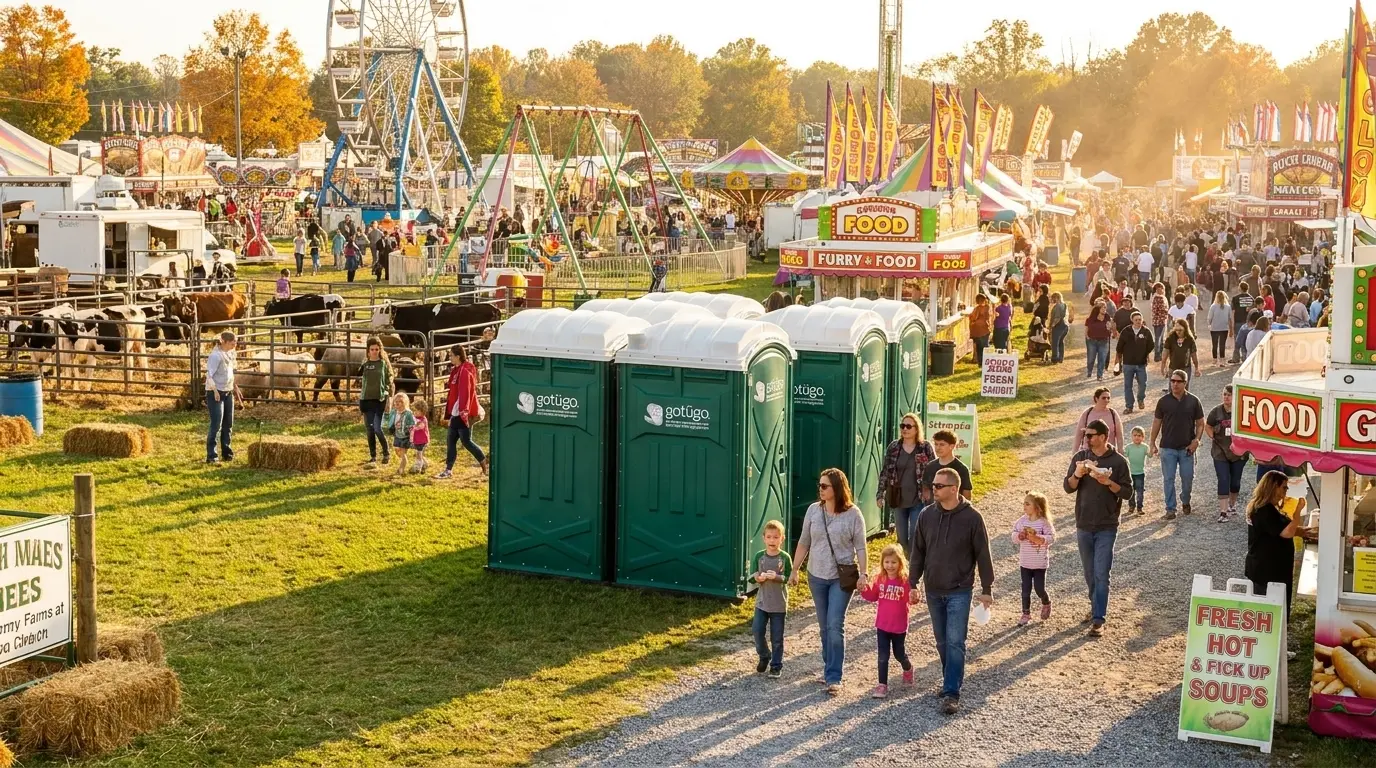
Why Generator Noise Rules Matter for Luxury Restroom Trailers in Parks
Running a luxury restroom trailer in a park sounds great until the generator wakes up the neighbors. Many parks, especially near residential areas, have local noise ordinances that cap generator decibel levels. In states like California and New York, those limits can drop to 60 dB or lower during evening hours. Ignoring these rules can lead to fines, event shutdowns, or lost permits. For event planners and rental operators, knowing the noise limits in your area is the first step to keeping the peace and your business running. Check with your local parks department before booking any Porta Potty Rentals in California or other busy states.
Understanding Local Noise Ordinances for Generators
Local noise ordinances vary widely across the United States. In dense urban parks, limits may be as low as 55 dB during the day. Rural parks might allow up to 70 dB. Always check with the Municipal Parks and Recreation Department before setting up. For example, in Oregon, state parks often require generators to operate below 60 dB from 10 p.m. to 7 a.m. Failure to comply can mean a $500 fine per incident.
How Decibel Limits Affect Luxury Restroom Trailers
Luxury trailers need power for lights, AC, and flushing systems. Standard generators often run at 65–75 dB. That’s too loud for many parks. Quiet generators (inverter models) run at 50–60 dB. They cost more upfront but save you from noise complaints. In Florida, summer heat means AC units run longer, increasing noise risk. Plan for a quieter unit if your event runs late.
State and Local Regulations to Know
Beyond noise, other rules apply. The EPA Clean Water Act prohibits dumping untreated sewage. All waste must go to licensed treatment facilities. ADA Standards require at least 5% of units to be wheelchair-accessible. In drought-prone states like California and Florida, low-flow or waterless units are mandatory. Fire codes may also require fire-rated materials near stages or tents. Check with your County Health Department for event-specific permits.
A quiet generator isn’t just good manners—it’s often the law in parks near homes.
Practical Steps to Avoid Noise Complaints
First, measure your generator’s decibel output. Use a sound meter app or rent a unit with a known dB rating. Second, position the generator away from park boundaries and sleeping areas. Third, consider battery-powered trailers that run silently. They cost more per day but eliminate noise risk entirely. Fourth, talk to your rental company about sound-dampening enclosures. Many operators offer them for an extra fee.
Cost of Ignoring Generator Limits
A noise complaint can shut down your event. That means lost revenue, angry guests, and potential legal fees. In some counties, repeated violations lead to revoked permits. For construction sites, a failed noise inspection can delay work by days. The cost of a quiet generator is small compared to the downtime.
When to Call a Pro
If you’re unsure about local rules, call a rental company that knows the area. They can recommend compliant units and handle permits. For nationwide coverage, start with Porta Potty Pros to find operators familiar with park regulations. In states like Texas or Colorado, where parks are popular for weddings and festivals, local expertise is key. For example, Porta Potty Rentals in Colorado often include quiet generators in their premium packages.
Regional Climate and Seasonal Factors
Northern states face freeze-thaw cycles that can damage generator batteries. Southern states deal with heat that strains cooling systems. Summer and fall are peak seasons for event rentals. Plan ahead—book quiet units early. In Arizona, summer temps over 100°F mean generators run longer. That increases noise exposure. A battery-powered unit can be a smarter choice there.
Next Steps for Quiet, Compliant Luxury Restroom Trailer Rentals
Noise complaints don’t have to ruin your park event. Check your local noise ordinance first. Choose a generator that stays below the limit—ideally under 60 dB. Work with a rental company that knows the rules in your state. Quiet power is worth the extra cost. It saves you from fines, shutdowns, and angry neighbors. For help finding compliant units in your area, contact Porta Potty Pros or look up your state page like Porta Potty Rentals in Florida. Get the right setup and keep the event running smoothly.
Frequently Asked Questions
What is the typical decibel limit for generators in parks?
Can I use a standard generator for a luxury restroom trailer in a park?
What happens if I get a noise complaint?
Are there other regulations for luxury restroom trailers in parks?
How do I find a rental company that offers quiet generators?
Need Nationwide Porta Potty Rentals?
We connect you with trusted local providers in your state or city. Call or email us today.