Avoid Pump-Out Delays: Proper Placement of Camping Porta Potties
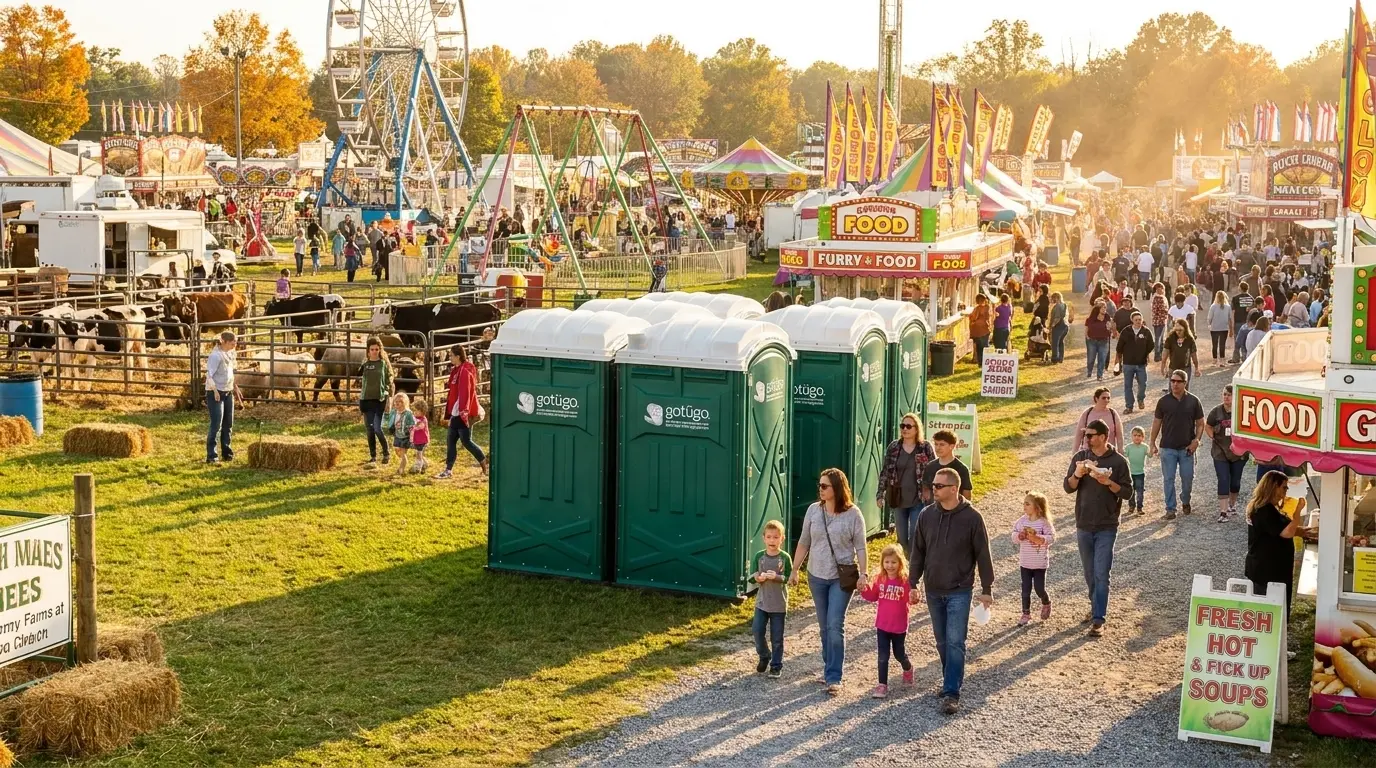
Why Proper Placement Prevents Pump-Out Delays
Placing a camping porta potty on soft ground or behind a locked gate makes pump-out impossible. The service truck needs clear, level access within 50 feet. Many state health departments require a minimum distance from food areas and water sources. For example, California’s Title 22 mandates 200 feet from any water supply. A blocked unit means a return trip fee and lost time. Plan the spot before delivery.
A single blocked pump-out can cost $50–$100 extra and delay your project by a day.
Check with your local Porta Potty Pros for site-specific advice.
The Cost of a Missed Pump-Out
A missed pump-out can cascade into bigger problems. On a construction site, OSHA 29 CFR 1926.51 requires one toilet seat per 20 workers. If a unit is inaccessible, workers lose time walking to another location. That downtime adds up fast. For event planners, a blocked porta potty can lead to guest complaints and even health department citations. Every hour of delay costs money.
Best Practices for Placement
Start with a flat, dry spot. Avoid low areas that collect water. The ground should be compacted enough to support the weight of a service truck. Leave at least 3 feet of clearance on the access side for the pump hose. Mark the location with a stake or flag. If you’re in a rocky area like Arizona, clear large stones first to prevent tipping.
A level pad prevents the unit from shifting and keeps the waste tank stable.
Regional Climate Considerations
Northern states face freeze-thaw cycles. In Minnesota, place units on gravel or concrete pads to avoid sinking into thawing ground. Southern states like Florida have heat and humidity. Place units in shade if possible to reduce odor and keep the interior cooler. In drought-prone areas like California, low-flow or waterless units are often required. Check with your Porta Potty Rentals in California provider for compliant options.
Permit and Regulatory Requirements
Many counties require a permit before placing porta potties on public land. The EPA Clean Water Act prohibits dumping untreated sewage into waterways. All waste must go to a licensed treatment facility. ADA Standards require at least 5% of units at public events to be wheelchair-accessible. Place those units on firm, level ground near the main path. Fire codes may restrict placement near tents or stages. Check with your local fire marshal.
When to Call a Professional
If you’re unsure about access or ground conditions, call the rental company before delivery. They can advise on the best spot. Some companies offer site surveys for large events or long-term projects. For example, Porta Potty Rentals in Oregon providers often know the local soil and weather patterns. Let them help you avoid delays.
Common Placement Mistakes
Putting a unit on a slope causes it to tip. Placing it behind a temporary fence that locks at night blocks after-hours pump-out. Setting it too close to a generator or cooking area violates fire codes. Avoid these errors by planning ahead.
The Bottom Line on Avoiding Pump-Out Delays
Proper placement saves time, money, and frustration. A few minutes of planning can prevent a return trip fee and keep your project on schedule. Remember that local rules vary. What works in Texas may not work in New York. Always check with your rental provider for site-specific guidance. For reliable service across the country, contact Porta Potty Pros to discuss your needs.
Frequently Asked Questions
What surface is best for placing a camping porta potty?
How close can a porta potty be to a food tent?
Do I need a permit to place a porta potty on public land?
What happens if the pump truck can't reach the unit?
Need Nationwide Porta Potty Rentals?
We connect you with trusted local providers in your state or city. Call or email us today.